

I have an immense gratitude towards Marjin Kiri for their role in introducing many good writers and books to Indonesian readers. Without them—and a few influential friendship, I don’t think I will be the man I am today. Probably I would ended up somewhere far less exciting and mediocre intellectually.
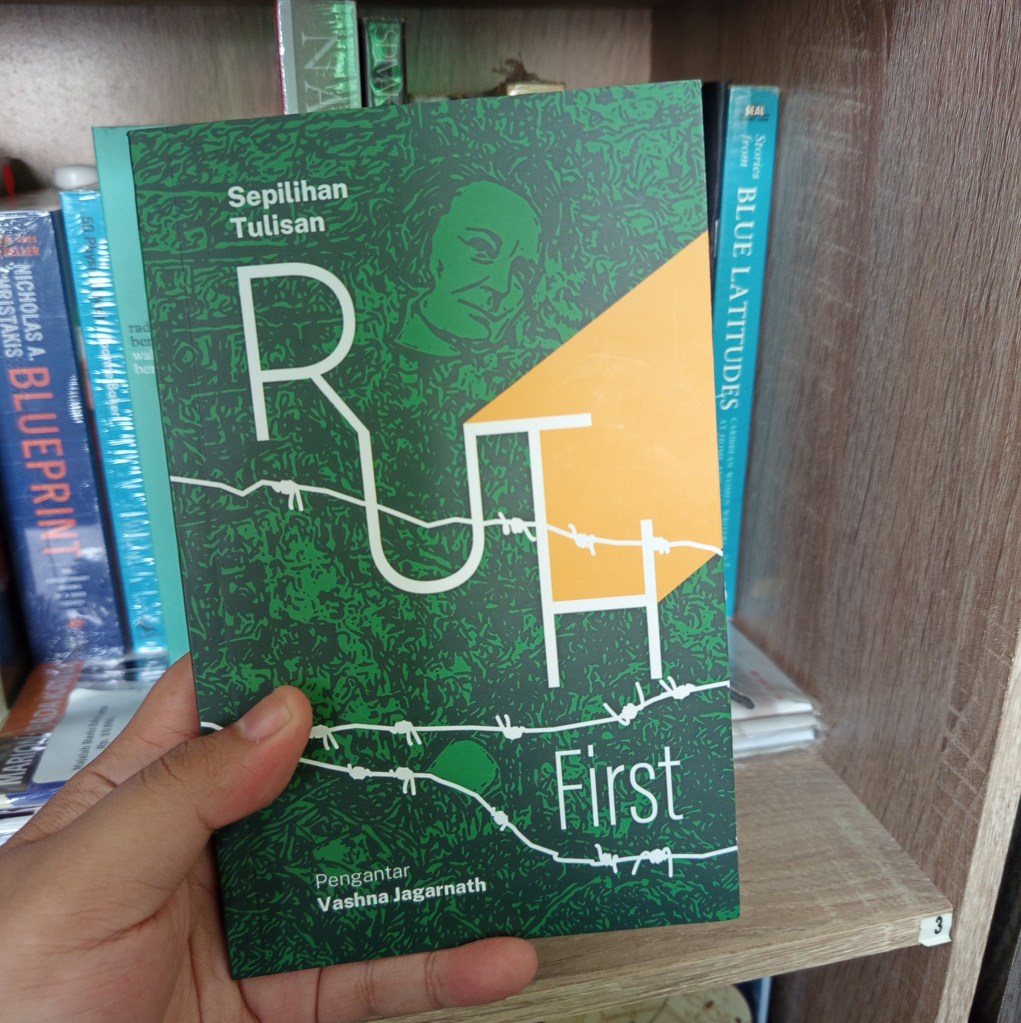
The first Marjin Kiri book I have read this year is an essay collection by South African activist and academic, Ruth First. This book is published under the collective publishing program by International Union of Left Publishers, established in 2020. Features five essays, this book exposes me to Ruth First’s intellectually charged and intersectionally woven ideas, from feminism, labour, economic disparity, and nationalism. This book also features an introduction by Vashna Jagarnath, which gave us a glimpse into the intellectual and political landscape in which Ruth First’s ideas came to bloom.
The first essay, titled in Indonesian as Pretoria Takluk oleh Perempuan! (loosely translated, Pretoria under Women’s Knees!) talks about the protests led by South African women. The protest was held against the apartheid policy of pass card that limits the entry from townships and reinforces the segregation. Around 2.000 women marched on Pretoria’s streets towards Union Buildings. The essay also reported the active blocking efforts from the government to dampen the voices. The essay is a truly invigorating piece of journalistic quality with extremely justified rage. It’s a great piece to have a peek at South African feminist movement history.
Afrika Selatan Hari Ini (loosely translated, South Africa Today) as the next essay is a reflective ones. Ruth First writes in a rather melancholic voice here. But not without the longing for true freedom subtext. The piece asked the questions of power dynamics, control, and sovereignty. Backed with her apt historical knowledge of the issue, this piece works as an introductory to South African political thought and philosophy.
The third essay, aptly titled Dari Piagam Kebebasan ke Perjuangan Bersenjata (loosely translated, From Freedom Charter to Armed Struggle) depicts a clear picture of South Africa political history. It traces the history of the political movement in South Africa from the early twentieth century. The piece is a brief yet comprehensive report on South African struggle towards freedom. I would argue that this is a great journalistic and academic piece in itself. The piece is definitely a must-read if you want to study South African political history, or political history in general.
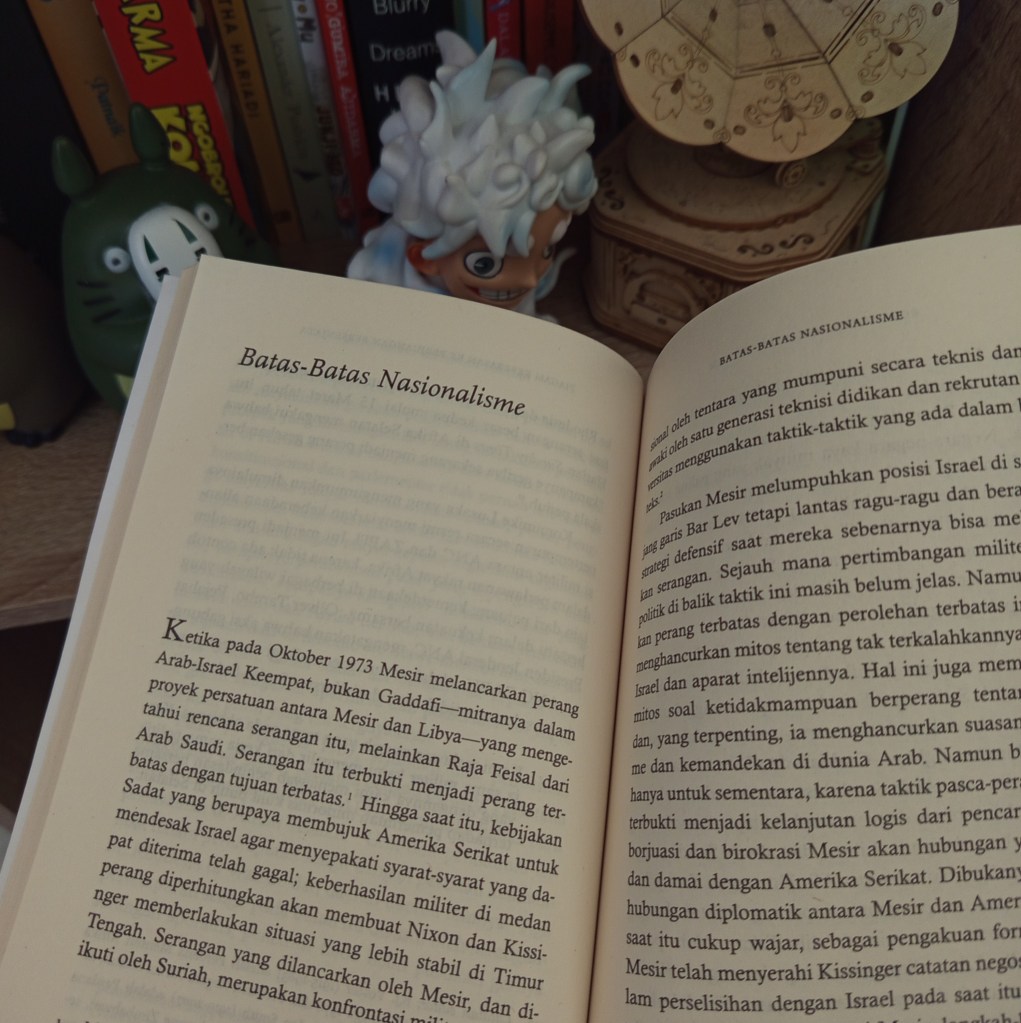
Fourth essay is my favorite piece in this book. It’s called Batas-batas Nasionalisme (loosely translated, The Limits of Nationalism). In this piece, Ruth First problematize and scrutinize Libya’s approach to welfare and political system while delves into it’s political history. This brief essay has a very disciplined academic rigour within the text; avoiding fallacy with a tight observation while still stands on her philosophy. It’s rare to see an academic to have all three in a writing: brief, objective, and argumentative.
Lastly, the fifth essay is a labour study titled Para Penambang Mozambik: Sebuah Studi Seputar Ekspor Tenaga Kerja (loosely translated, Mozambique’s Miners: A Study about Exported Labour). It’s a Marxist economic study on South African mining labour condition. This piece is a nice record on labour history in South Africa and it’s bilateral relationship with Mozambique.
This book was a nice thin surprise and a great introductory piece to South African history. Honestly I only had a vague knowledge of South African political history before I touch this book. This book intrigues me to read more about South African political thought and history, and I think that’s a nice start for the year.
Book Identification
| Title | : Ruth First: Sepilihan Tulisan |
| Writer | : Ruth First |
| Publisher | : Marjin Kiri |
| Year | : 2023 |
| Pages | : 95 + viii pages |
| ISBN | : N/A |



 Kasat Kata Kultur
Leave a comment