

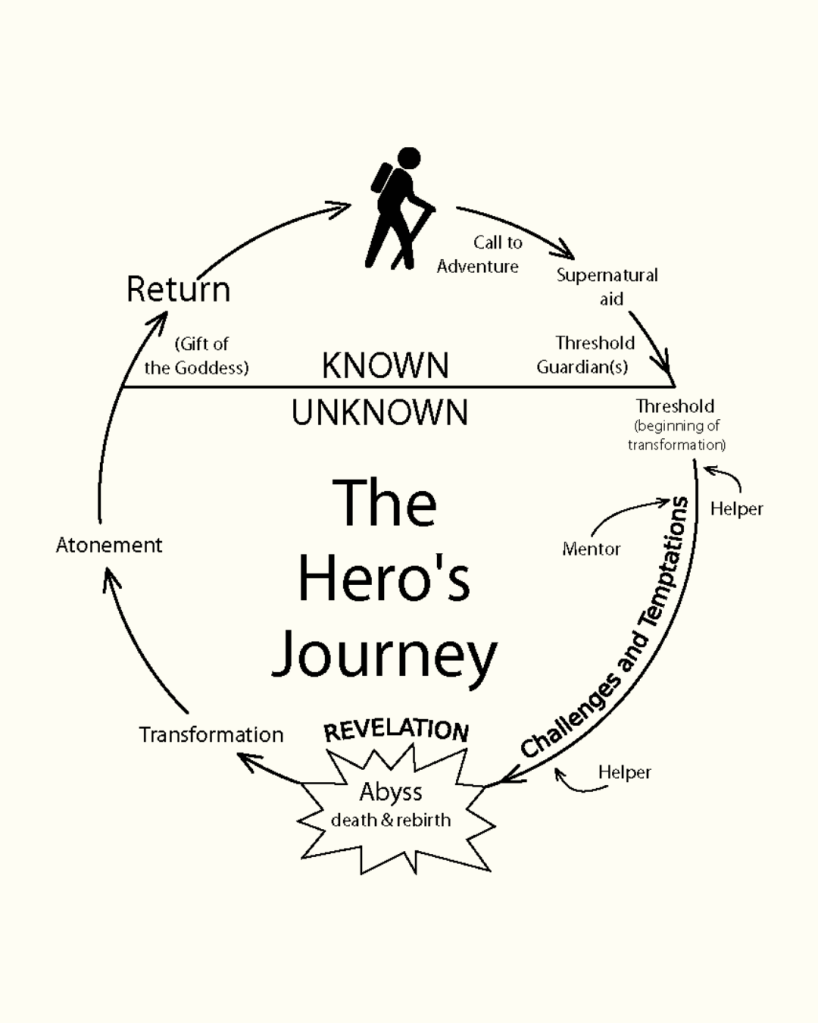
Shōnen manga are (mostly) monomythic. Yet, Tekken Chinmi represents that very concept for shōnen. Monomythic or Hero’s Journey stories usually involves a main character or a hero, who then came up victorious from decisive crisis, and comes home with new value, transformed. Every mission Chinmi had to go through are pivotal, it is peak character driven.
Written by Takeshi Maekawa, Chinmi’s stories span into three installments: Tekken Chinmi (1983—1997), Shin Tekken Chinmi (1997—2004), and Tekken Chinmi Legends (2006—currently hiatus). Started as an arrogant and genius young martial artist, Chinmi met the hurdle of various adversaries and different abilities to be able to grow as a person. Many panels are spent for awesome demonstration of martial arts and technique, what I think is more important on how the philosophy of self-defense embodies in the philosophy of self.

I can talk all-day about the awesome moves Chinmi has, and I don’t think there are a lot of studios that can adapt the manga. Except, that studios who adapt Hitori no Shita: The Outcast. The seconds and minutes of any fight in Tekken Chinmi took pages or even chapters. The fights were drawn very intricately. Even the metaphorical/ideological fight, where speeches usually are, were written with much more subtlety.
Let’s talk about the self-defense aspect. A lot of self-defense conveys particular philosophy, because after all, violence need justification. A punch can pack a lot of symbol aside from fractures and bruises. That’s the case with Chinmi: there is a constant in his character, a pure-hearted hero, who faces a lot of idiosyncrasies in tyrannical force of nature, and yet still capable of develop a heart and grow with optimistic stride. It’s the ideal that many culture put in their stories.

From more than 40 years (!!!) of lore and stories, my favorite arc is Ka Nan saga. The story follows Chinmi’s adventure to liberate Ka Nan from tyrannical hand of Boru and self-proclaimed king Jirai. It depicts everything—although, to be honest, rather watered down—about the struggle of liberation and against authoritarian regime. The story also depicts Chinmi’s apprehension and frustration, learning that good-will hasn’t always find the easy way. The self is confronted by the contradiction of Others, yet like any other stories, it ends with victory. A hopeful note, like any ideal story.
It’s just a shame that this manga doesn’t have any proper anime adaptation. It would be so great, not gonna lie!
 Kasat Kata Kultur
Leave a comment