
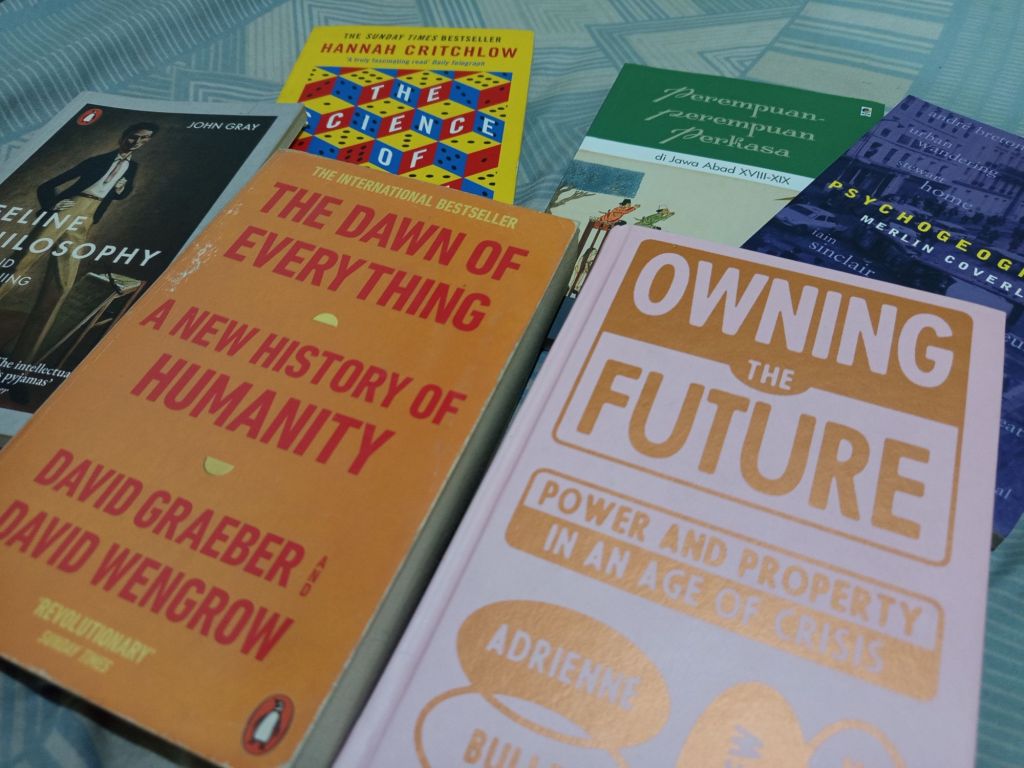
Despite everything that has happened in the year of Our Lord 2025, the year is actually improving in terms of the nonfiction quality I read. I was introduced to the concept of psychogeography and an incredibly radical view in the field of anthropology and archeology. The nonfiction I read in 2025 definitely stays for much, much longer.
Although noticeably, it is still predominantly written by men. Despite my resolution, it has proven difficult (even without deliberately making it harder for myself) to read more women and queer thinkers. It is perhaps subconscious, and I apologize for not making an effort to color my shelf with more women and queer options.
Hence, if you have any suggestions, please let me know. My contact and socials are on the About Me page! Meanwhile, here are my best Five.5!
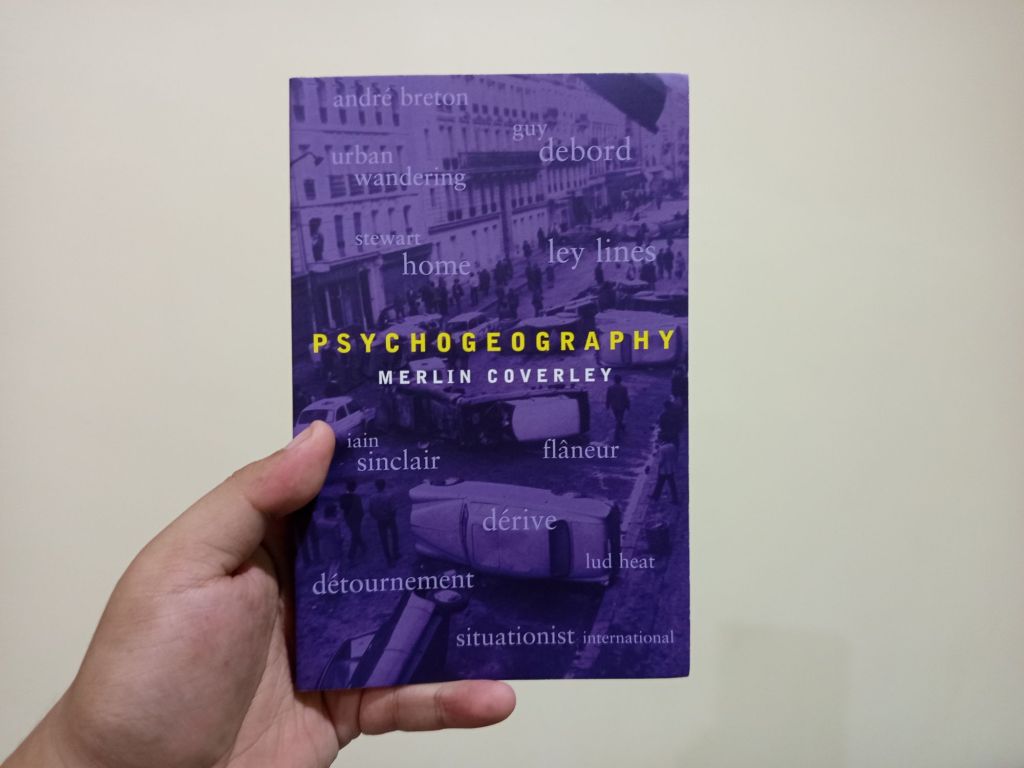
5. Psychogeography by Merlin Coverley
| Publisher | Oldcastle Books |
| Year | 2018 |
| Language | English |
| Pages | 224 |
I have heard the term ‘genius loci‘ since my brushes with a handful of books about architecture and urban planning. Yet, in hindsight, the ones I read felt rather reductionist compared to this book. This fairly thin book explores the Situationist idea of genius loci (or, in the reductionist term, the essence of place) through the work of Guy Debord, Iain Sinclair, and Will Self. It connects the idea with the space from whence the ideas were born and ultimately tied.
This book is a great introduction to the Situationist movement and it’s thinkers. As a reader of the 80s and 90s western comic books and older Beat generation literary scene, this book definitely fires up some neurons, recognizing the pattern of how the genre came to be. The book feels relevant when rapid development changes the space, the map, the contour into something far more artificial and inrecognizably human.
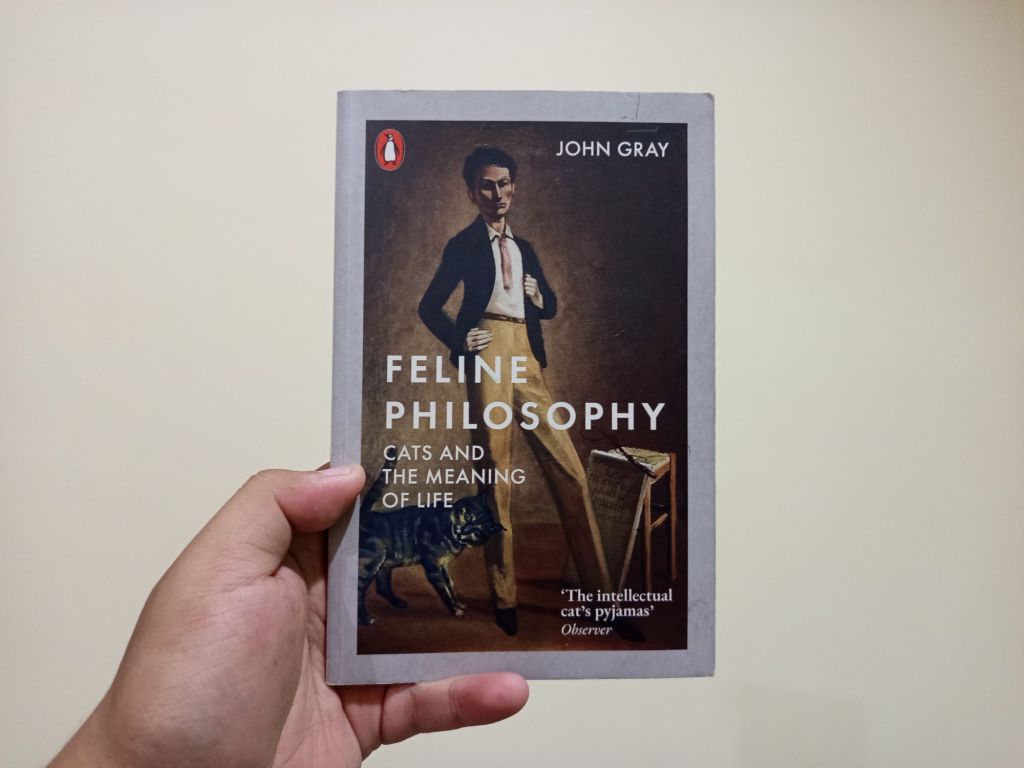
4. Feline Philosophy: Cats and The Meaning of Life by John Gray
| Publisher | Penguin Random House |
| Year | 2020 |
| Language | English |
| Pages | 128 |
A non-anthropocentric view that examines the current human psyche and philosophy. John Gray wants the reader to reexamine the relationship between Self and Nature through the eyes of the human domestic companion: cats. A brief history of philosophy, which originates from human anxiety and problematizes their constant pursuit of happiness—that according to Gray, may exacerbate the anxiety.
Feline Philosophy is a good entry to axiology. In which moral and meaning are discussed not only through the lens of history and the history of philosophy, but also from the observation of Nature. A lot of points to be pondered.
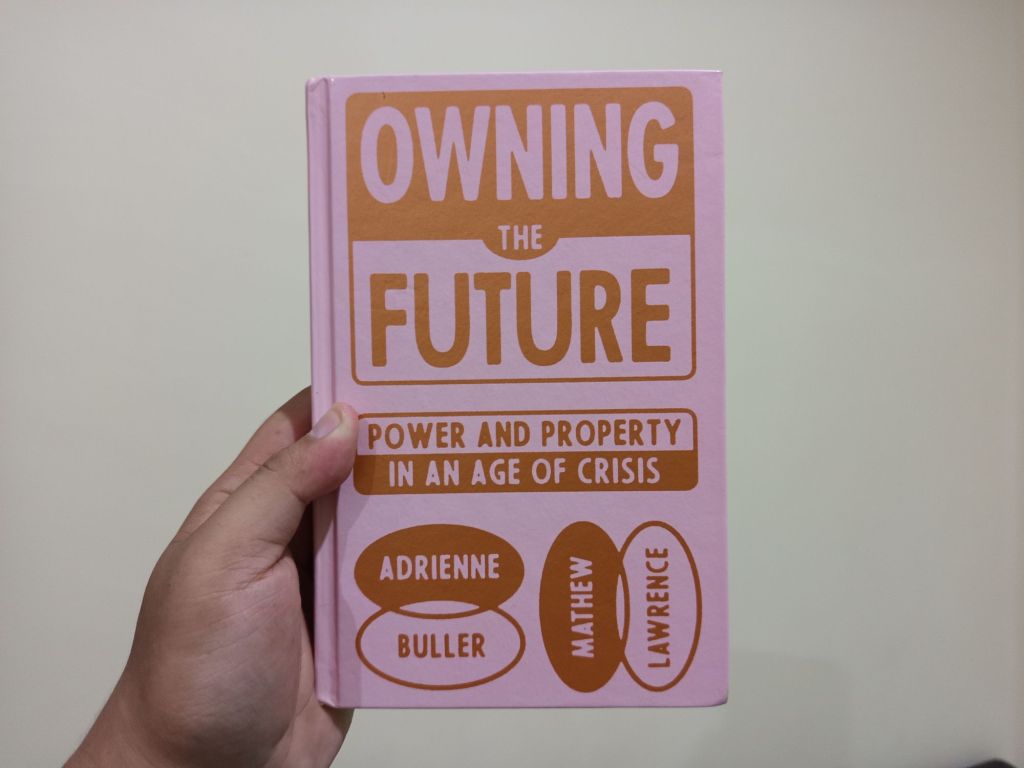
3. Owning The Future: Power and Property in An Age of Crisis by Adrienne Butler and Mathew Lawrence
| Publisher | Verso Books |
| Year | 2022 |
| Language | English |
| Pages | 224 |
I hate the fact that it is more difficult for my generation to buy a house. I am angry towards capitalism that treats a need such as housing as a commodity, a mere subject on the balance sheet. Owning The Future explains my anger and resentment better. What I love about this book is that it not only expounds the crisis, but offering an alternative—which ultimately is to destroy the very basis of the capitalistic foundation, to go back to collectivism.
As a—somewhat—manifesto, the book has very astute observations, supported by publicly available data and sharp analysis. I want my peers to read this book so we can be angry, together.
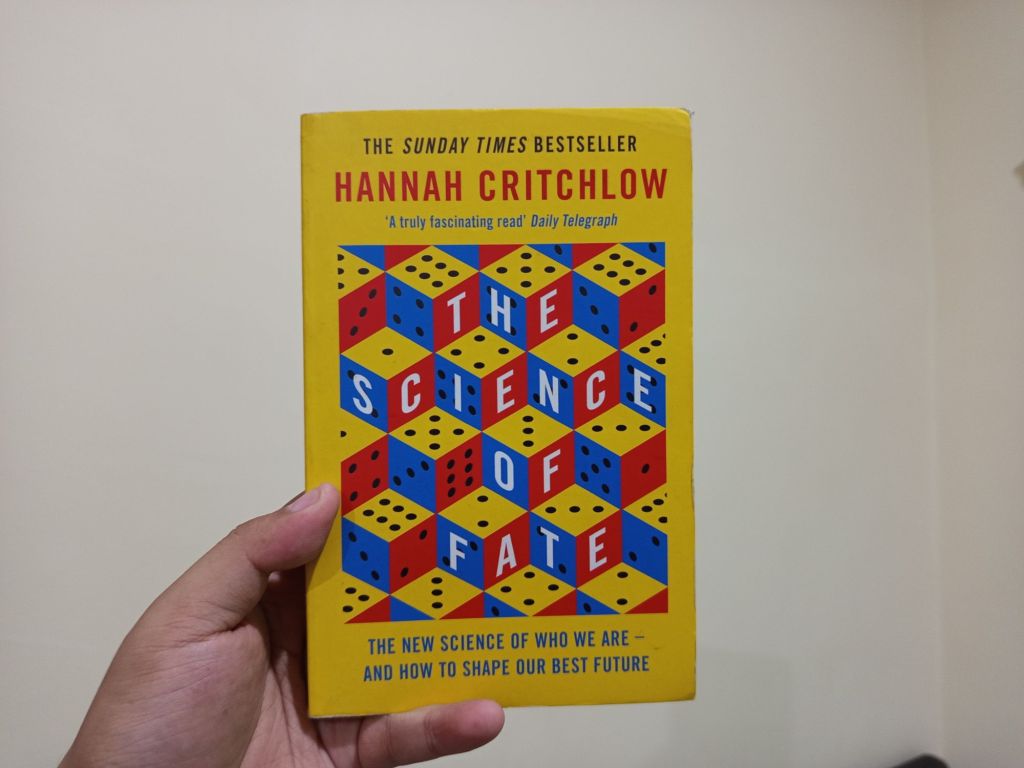
2. The Science of Fate by Hannah Critchlow
| Publisher | Hodder & Stoughton |
| Year | 2019 |
| Language | English |
| Pages | 209 |
Critchlow might not have written this book like how Rovelli, Feynman, or Sagan wrote about physics. The Science of Fate is a pretty straightforward journalistic work—that has an academically rigorous quality. The stuff it covered, though, is utterly fascinating. This work is not only an important work around epigenetics and neuroscience, but also—although indirectly, dialectical materialism.
I already made a lengthy review about this book in Indonesian. This book deserves that much.
.five; Honorable Mention:
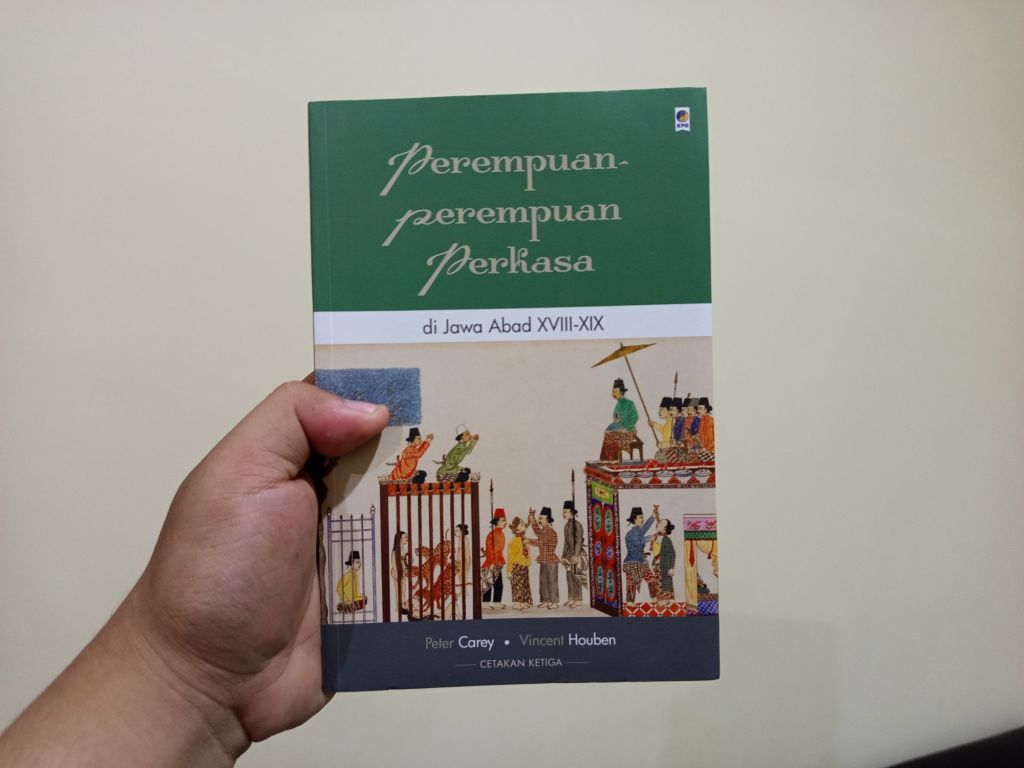
Perempuan-perempuan Perkasa di Jawa Abad XVIII-XIX by Peter Carey and Vincent Houben
| Publisher | Kepustakaan Populer Gramedia |
| Year | 2016 |
| Language | Indonesian |
| Pages | 145 |
I admit, Indonesian history is not a particularly big chunk in my long list of interests. I find the history fascinating to some degree, and I appreciate the historians and the History Department of Indonesian universities for continuously digging deep into this mainly unexplored ‘well’.
This particular ‘well’: a decolonization effort of women’s history—herstory?—is the one I found somewhat fascinating. Co-written by a well-known (in the scene, at least) Java/Indonesia historian, Peter Carey, the stories of powerful women in the 16th-19th century have finally come to light. Although it may have some criticism (since both co-authors are old-white-men), the book is a great starting point for aspiring historians to dig deeper.
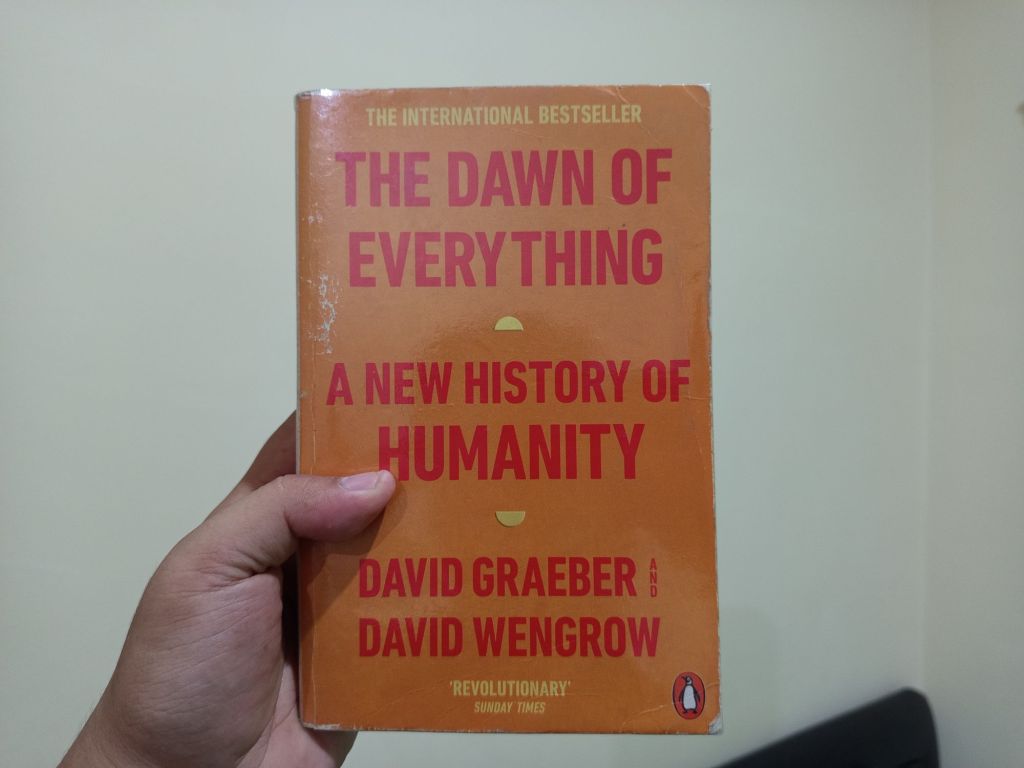
1. The Dawn of Everything: A New History of Humanity by David Graeber and David Wengrow
| Publisher | Penguin Random House |
| Year | 2021 |
| Language | English |
| Pages | 704 |
I am just going to be straight with you: this book is my other bible—aside from Capital by Karl Marx. The Dawn of Everything changes the lenses of the human condition, which is rife with hegemony and the status quo. It critiques traditional narratives brought to you by half-assed historians like Yoval Noah Harari, Jared Diamond, and Francis Fukuyama (I don’t count Steven Pinker because he is a linguist; he is quarter-assing history most of the time).
It is an important starting book to decolonize history, anthropology, and archeology—which might not be as linear as one thinks. This book refuses the Hobbessian and Rousseauian view that originates from Aufklärung, which (some? most of the?) ideas are truly outdated and fall into a philosophical dogma.
With work and everything, my resolution is just to be able to read consistently and start to have more women and queer thinkers on my shelves. From there on, it will be easier to make the books TBR.
Wish me luck, and please, if you know some, suggest some!



 Kasat Kata Kultur
Leave a comment